The Myth That Every Rugby Kick Gives Away Possession
Rugby kicks do not all surrender the ball. Learn how territory, contestable kicks and clearances change the next phase—and what to watch for.
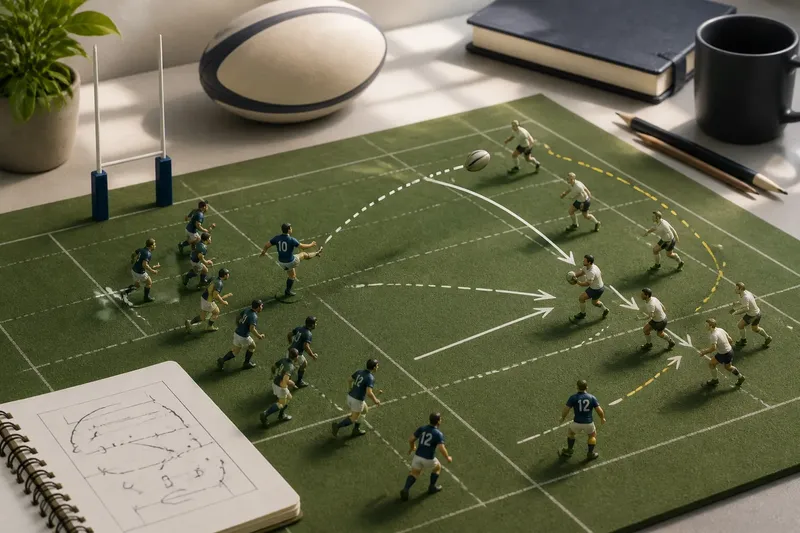
The common mistake is to treat every rugby kick as a handover. That can make a clearance look pointless and a chase look like wasted effort. A kick changes the problem both teams face: one side must deal with a ball in flight, while the other must be ready for the return.
The useful question is not simply who has the ball next. Ask what the kicking team wants the opposition to do, and what risks it has accepted to make that happen. A kick can push play away from danger, force a receiver to turn, or create a contest in the air. Those are different plans, even when each ends with the opposition catching the ball.
What problem is the kick meant to solve?
Start with the phase before the kick. A team with time and space can choose a target; a player under pressure may have to make the ball safe quickly. The same kind of kick can therefore signal a deliberate territorial choice in one moment and an emergency response in another.
Then consider what the team can afford to risk. Keeping the ball in hand may invite a tackle or leave players trapped in their own end. Kicking gives the opposition a chance to attack, but can move the next phase to a less dangerous place or make its first action awkward.
Do not decide from the kicker alone. A tactical kick is a team action: teammates must chase, cover the space behind them or prepare to defend a counterattack. The shape of the players after the ball leaves the boot often says more than the kick itself.
When is a kick about territory?
A territorial kick aims to move play towards the opposition’s end. It need not be recovered by the kicking side to have a purpose. If the receiving team must begin its next attack deep in its own half, it has less room before it reaches the kicker’s end.
Watch where the ball goes out, or where it lands if it stays in play. A kick into touch can lead to a lineout, with the restart and possession depending on the laws and circumstances of that kick. A ball kept in the field may give the receiver space to run—or leave them close to the sideline with limited options.
Distance alone is a poor verdict. A short clearance can remove the ball from immediate danger. A long kick can still be a gift if it gives the receiver a clean catch and open ground. Look at the position the receiver inherits, not just the ground the ball travelled.
What makes a kick contestable?
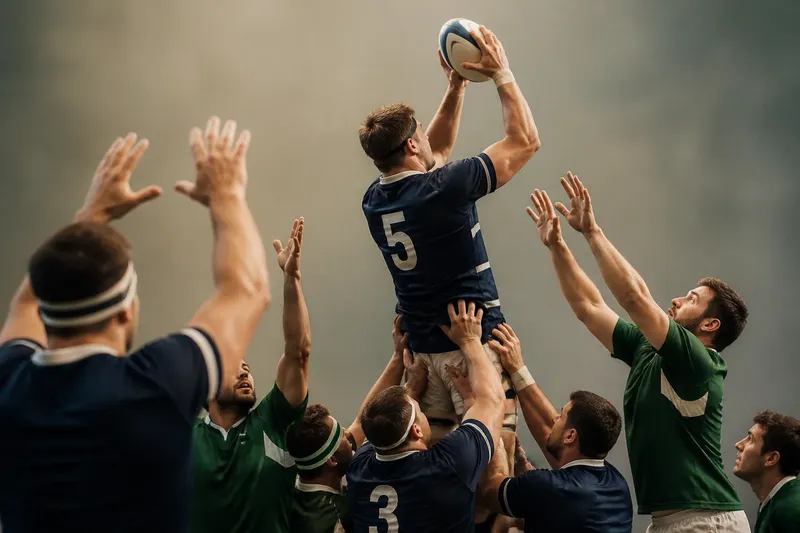
A high kick can give the kicking team time to reach the landing area and challenge for the catch, subject to the laws governing the contest. The aim is not to chase the ball blindly. Players need to arrive in a position to compete, while others stay alert to the ball being gathered and run back.
Notice the timing and shape of the chase. Several players moving towards the same area suggest a planned contest; a scattered line trailing behind the receiver suggests the opposition may have time to catch and organise. Players held back can cover a return, but too few chasers may leave the receiver comfortable.
The contest is an invitation to compete, not a promise of possession. The receiver may catch cleanly, a player may knock the ball loose, or the bounce may create a scramble. The tactical choice is to make the next touch uncertain rather than let the opposition start with an uncontested catch.
How can a clearance change the next phase?
When a team is pinned near its own goal line or facing a fast defensive rush, a kick can end an immediate threat. The ball may remain with the opposition, but its players might have to turn, retreat or gather it under pressure. Meanwhile, the kicking team can use the pause to rebuild its defensive line.
That pause has limits. If the receiver catches the ball with room to run, the kick may simply move the danger. A clearance is safer when the kicking side has players ready to defend the return, rather than relying on the kicker to send the ball away and hoping the phase ends there.
Look for the receivers’ first decision. A hesitant gather or a return kick under pressure suggests the clearance disrupted their attack. A clean catch followed by an unhurried run suggests the kicking team has more work to do.
How does the team prepare for the ball coming back?
After a kick, some players may chase while others stay behind to guard against a counterattack. That division is a trade-off. More players forward can put pressure on the receiver; more cover behind can make a return less dangerous. The right balance depends on the kick’s destination and the state of the phase.
Watch the first few seconds after the kick rather than following the ball all the way. Do the chasers arrive together? Is there a defender behind them? Does the receiver have a clear route forward? These actions reveal whether the team has a plan for both possible outcomes: winning a contest and failing to win one.
Imagine a side defending near its own goal line, with a rush closing the passing lanes. Its fly-half sends a high kick towards the far side. Several teammates move towards the likely landing area while another player stays deeper. The plan trades direct possession for a chance to disrupt the catch and cover a return; if the receiver gathers cleanly, the deeper defender still has a role in stopping the counterattack.
What should you check before judging a rugby kick?
- Pressure on the kicker: If defenders are closing and safe passes are disappearing, read the kick first as an attempt to escape; if the kicker has time, consider a deliberate territorial or contestable plan instead.
- Destination: If the ball reaches touch or lands near the opposition’s end, check whether it has improved the next starting position; if it lands in open space, watch for a receiver with room to counter.
- Chase shape: If several players arrive together near the landing area, expect a contest; if they trail behind, expect the receiver to have more time and judge the kick accordingly.
- Cover behind the chase: If a player stays deeper, the team has some protection against a return; if nobody covers, watch for a counterattack and consider whether the chase has left too much space.
- Receiver’s first action: If the receiver has to retreat, gather awkwardly or kick straight back, the kick has disrupted the next phase; if they catch cleanly and run forward, the kicking side must defend again.
- Restart and possession: If the kick goes out, note where play restarts and which side has the throw under the applicable law; if it stays in play, follow who gathers it and where the next phase begins.
Which questions help explain a rugby kick?
Does a kick always give the opposition possession?
No. A kicking team may chase and compete for the next touch, although the receiver can still gather the ball. A territorial kick or clearance often accepts that the opposition may have the next controlled phase.
Why kick when a team could keep running?
A run can leave the carrier isolated or trapped by defenders. A kick may move play away from danger, improve the field position or make the receiver handle a difficult ball.
How can you tell if a kick is meant to be contested?
Look for chasers moving towards the likely landing area, with players positioned to cover behind them. A receiver who has time and space while the chase trails well back is less likely to face a meaningful contest.
Can a clearance be useful if the opposition keeps the ball?
Yes. It can move play away from the kicking team’s goal line and give defenders time to reorganise. The receiver’s room to attack, and the kicking team’s cover behind the chase, show how much danger remains.
What matters after the kick lands?
Follow the next phase rather than awarding the kick a verdict on sight. Did the receiver get an easy start? Did the chase force a rushed decision? Did the defending team have enough cover to handle a return? The answer may change how you read the original choice.
That is the useful distinction: intention and outcome are not the same. A team can intend to create a contest and lose it, or clear danger while conceding possession. When you watch a rugby kick, track the players’ next jobs as carefully as the ball’s flight; that is where the tactical choice becomes visible.